
What Is Cellar Reflections?
Cellar Reflections is a series exploring how Virginia wine grapes show up over time—in my cellar, in blends, and in real life. These posts aren’t tasting notes or winery profiles. They’re reflections on what I choose to drink now, what I choose to age, and why certain grapes keep earning space on my shelves.
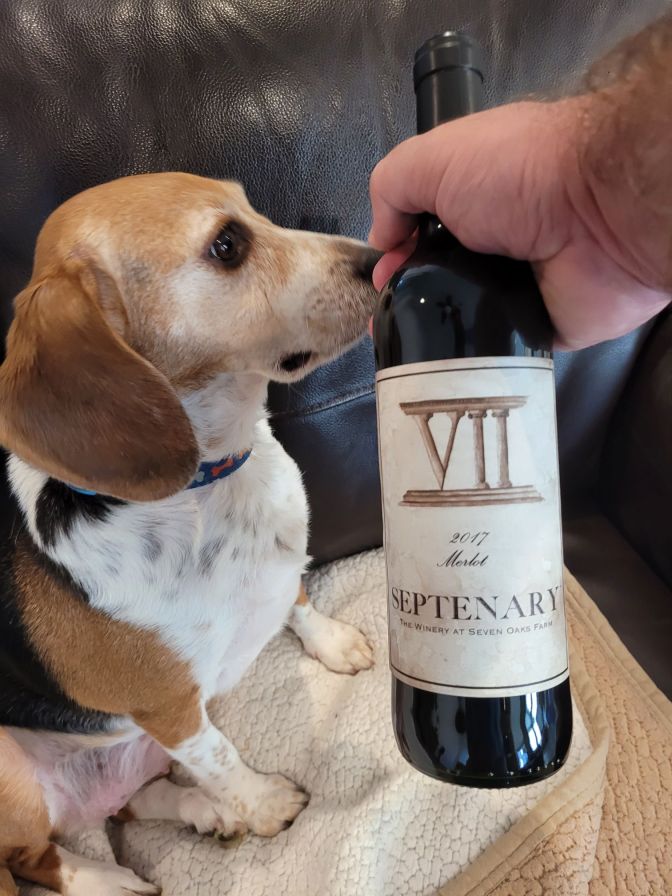
Why Merlot Works in Virginia
Remember the movie Sideways? The hate dumped on Merlot was simply astonishing. I wasn’t that into wine then, but I did love me some White Zinfandel and an occasional regular Zinfandel back in the day. Merlot was a grape that my mom liked and I didn’t know enough about it to have any opinion.
Fast forward to the present day and ask me about Virginia grapes I love and you’re gonna hear about Merlot as a grape I seek, sip and keep in my cellar.
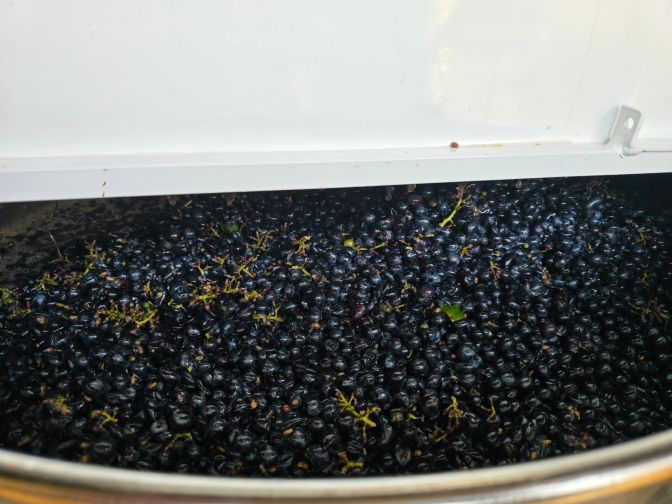
I’ve come across Merlot in a number of Virginia blends, but only recently have I been sipping and finding myself enamored with Virginia Merlot as a standalone variety. My very first visit to Walsh Family Wine in Loudoun stunned me with the 2017 Russ Mountain Merlot. It was the wine that made me fall in love with their winery. I could not get enough of this wine at the time. While other Virginia Merlots had felt quite plain and uninteresting, this one had more grip and weight, deeper seriousness. The grapes on this site were sought after by a number of winemakers, and when Nate and Sarah Walsh bought their winery, they acquired the rights to these grapes, and did them well. The cover photo is from their Russ Mountain vertical tasting a year or so back.
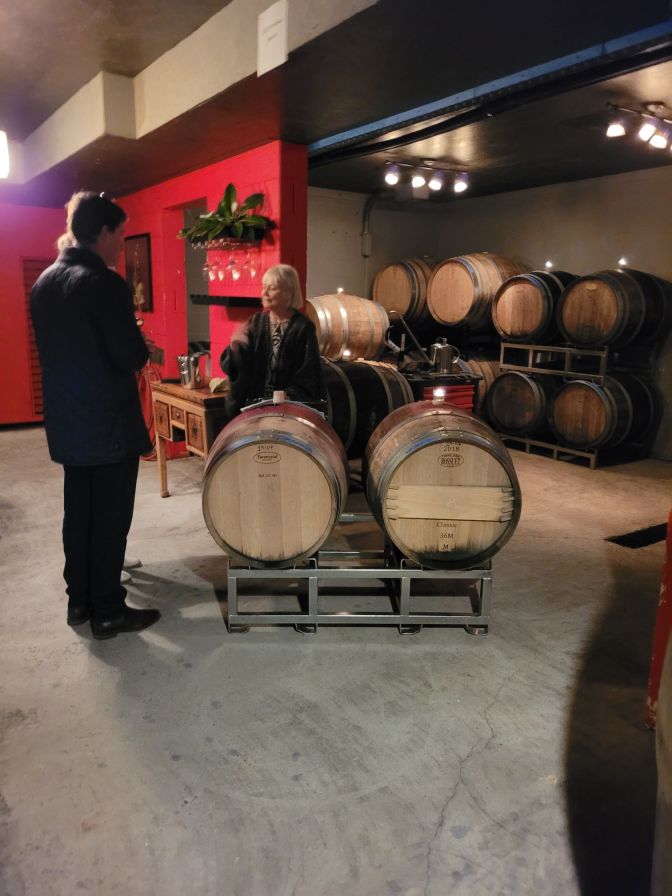
Sheri Avenius grows Merlot on her plot of land near Linden, and blends it into her Avenius Red. This blend is consistently my favorite of Linden’s red blends, and for the past several vintages it’s been 40% or more Merlot (occasionally over 50%!). The barrel tasting in 2023 shocked me with that Merlot being ready to drink all by itself.
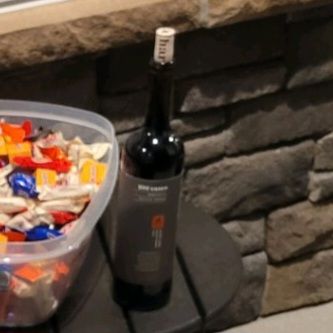
Hark made me adore their Merlot beginning with the 2019 vintage. This wine knocks my socks off, and I have this tradition of sitting on the porch at Halloween, handing out candy to kids and Hark Merlot pours to adults. I expect this tradition to continue.
Merlot loves clay soil, and lord knows Virginia has plenty of that. Unlike Petit Verdot, it’s vulnerable to our rainy harvest season and humid climate, but with good farming practices it can be grown to an exceptional quality.
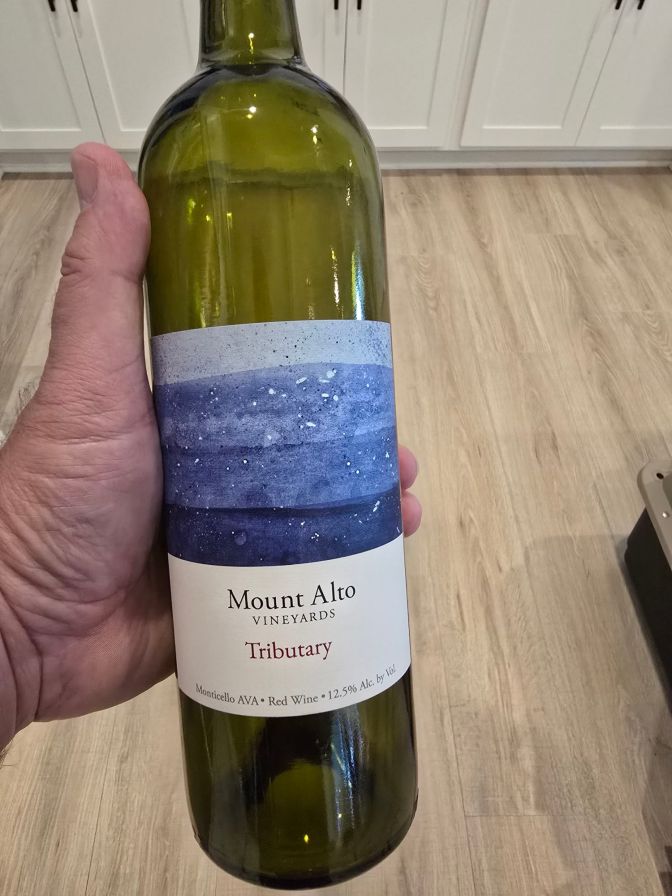
Two recent Merlot experiences really solidified my adoration for this grape. Mount Alto purchased a few vintages of Grace Estate Merlot and has been blending it into Tributary. This Merlot is absolutely dancing its way across your tongue as you sip – it adds this exciting element to their silky Cabernet Sauvignon. Also, Pollak’s 2023 Merlot was one of my top wines of 2025. This wine burst onto the palate, fresh and fruity and joyous, announcing itself with verve and energy. These two wines made clear that Virginia Merlot was my rising star.
Merlot Compared to Its Neighbors
Petit Verdot can age. Cabernet Sauvignon can be refined and silky. Merlot just dances. It plays oh so well with others, adding a soft, light, joyous touch that balances Virginia red blends. It calms the heft of Petit Verdot, and glides with Cabernet Franc, pulling it into the fun. It doesn’t dominate, it smoothes out the wines. I doubt anyone will say that Merlot is Virginia’s red grape, but it is one heck of a backup singer, and the solo albums are often exciting. I’d say Merlot plays the role Oleta Adams did in Tears for Fears The Seeds of Love album – adding so much range and soul to what was otherwise decent post-new wave brit pop. Merlot’s softness brings true personality and joy to structure from other grapes.
Merlot in Blends vs. Standing Alone
Pollak, Hark, Walsh. Their Merlots are consistently strong and will satisfy you.
In blends, Linden’s Avenius Red is often Merlot-heavy and Avenius is typically my favorite of their three blends, because it leads with soul rather than silk or structure. While Petit Verdot is my first love, in Zora Chloe’s Dark Fruit, Merlot tames this structure monster and makes it behave like a good dog. In Tributary, it plays the role of softening the elegance of those Cabernet Sauvignon tannins and grounding it.
Aging Potential: Drink Now or Hold?
Virginia Merlot, in my humble opinion, is generally a 5-7 year friend. Unless blended with something to make it bulletproof, I wouldn’t let it last longer. I was fortunate to acquire two bottles of Walsh’s 2017 Russ Mountain Merlot in 2024. I started sipping them during the summer, and they were just beginning to decline. I think 2019-2023 was their prime, and from there they began to let go. They simply don’t have the tannic structure to hold on longer by themselves.
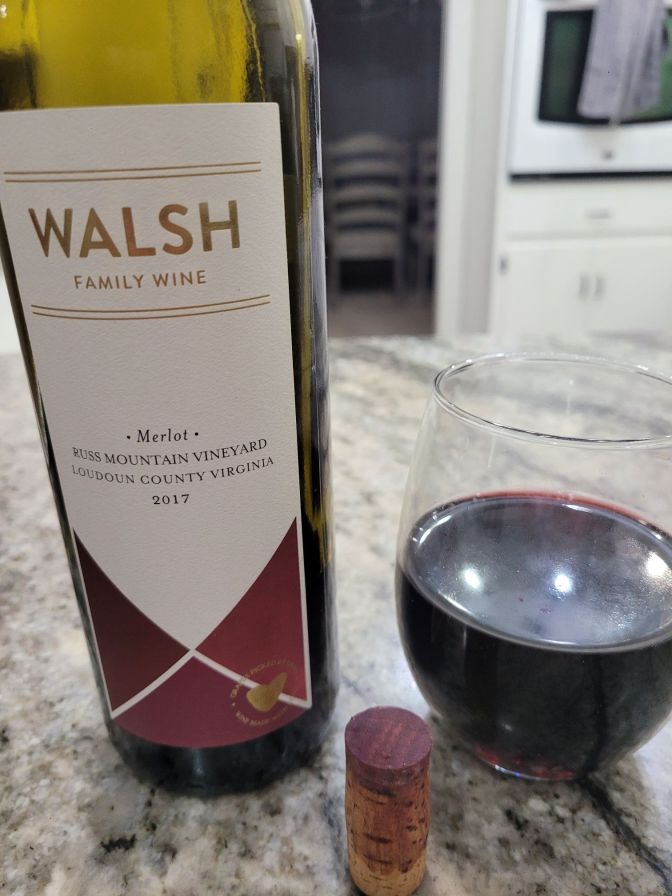
I’m sipping 2021 Walsh Russ Mountain Merlot as I write this and it’s doing well – it has 6% Petit Verdot blended in and my husband picks that up as a smoky sensation. I won’t keep this past 2027 or maybe 2028 – I just don’t think they’re meant to be with us that long. I gotta get the last 19’s up and pop those corks.
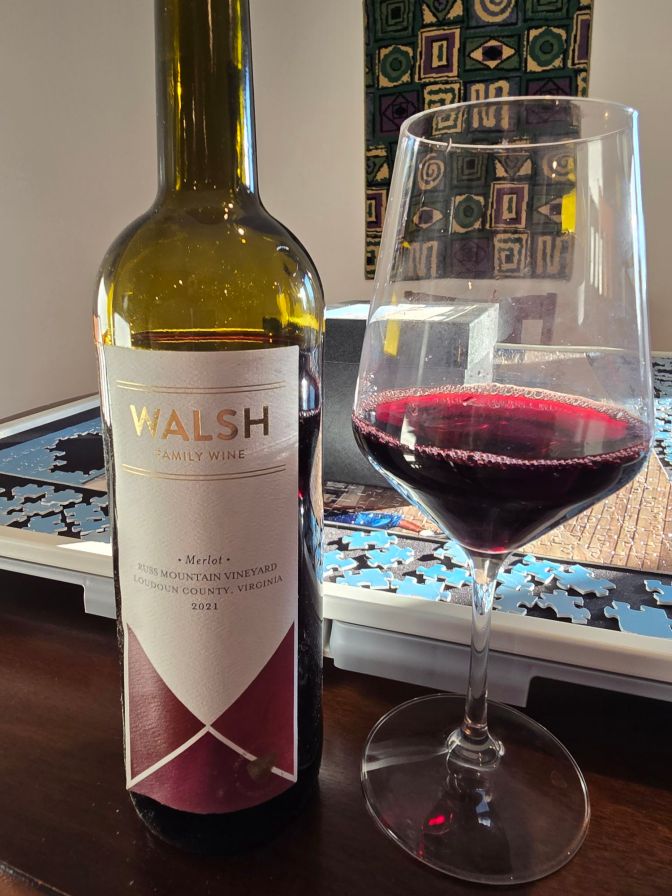
I say this knowing that we went to a Merlot Vertical Tasting at Pollak where a 2007 Merlot was holding it together. While it wasn’t my style, that wine had a definite old-world sense to it and it was intact. For some styles, well-aged Virginia Merlot may work perfectly.
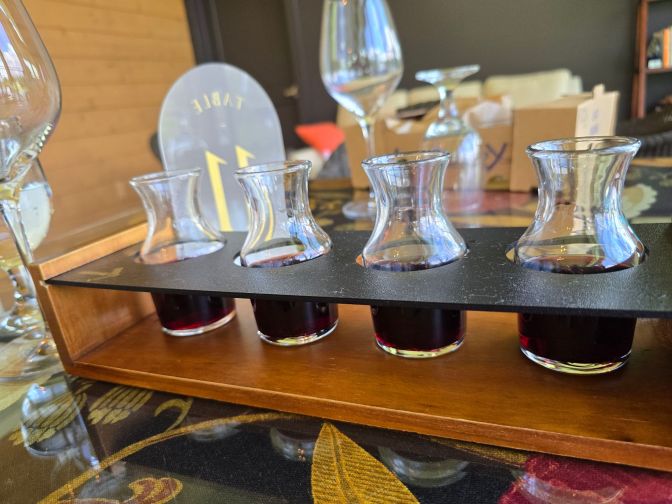
I am out of 2019 Hark Merlot, but the 2021 is still showing up and performing. I’m hopeful to see more vintages of this grape from them. Maybe from a great year like 2023, Russ Mountain, Hark and others will have a stronger backbone and could last longer, but I’m not leaving anything to chance. As I said earlier, Merlot-forward blends can surely age longer, but by itself, I fear it losing the elements I enjoy most.
What I Taste in Merlot (Without the Tasting-Note Nonsense)
Virginia Merlot often brings purple fruits to mind – plum, blackberry and blueberry. Sometimes there are hints of tobacco, but often not pronounced. Poorly grown Merlot gives me some green vegetal qualities, but when done well, it’s purple, smooth, joyous. There are low and soft tannins. I generally oppose heavy oak in our Merlot- the soft fruit doesn’t need it, and oak doesn’t help it, it surrounds it with jagged edges and hides it.
Why Merlot Keeps a Place in My Cellar
I have been hoarding Walsh Russ Mountain Merlot. I have 19, 20 and 21 vintage bottles in storage. I have a solemn vow to keep a bottle of Hark 21 Merlot for Halloween 2026, and I hope this year more adults will partake while their kids scoop candy out of our bowl. And once that Pollak 2023 Merlot is re-released (I better see a gold medal and a spot in the case in the Va Gov Cup for that one) – or when the 23 reserve is released (OMG OMG OMG!) that’s gonna get stored and I will build up a heavy inventory for sipping.
There will be more Virginia Merlot coming on the market, in blends and by itself. It’s not always front and center as the star, but it brings calm joy when it’s part of the lineup. Do you have a favorite out there?


This is great stuff—you used some strong examples. That Hark 2019 Merlot is excellent, and Pollak’s Merlots are consistently outstanding.
On our Monticello trip last year, one thing stood out: Merlot showed up really well across the flights. There was also a clear pattern—much of it was coming from Grace Estate fruit or being blended with estate holdings. Williamsburg’s 2020 Field Blend (No. 1, I think), which used Mt. Juliet/Grace Estate fruit, was a wine we enjoyed quite a bit. You and I have also talked privately about the ’23 Tributary in that same vein.
One omission worth mentioning: RdV and Rendezvous. I recently shared a bottle with a wine friend who runs a recurring “Merlot Thursday” blog series, and she was completely taken with the ’21 Rendezvous we brought along.
LikeLiked by 1 person
Sorry Dan, I have no idea why it logged me into this crazy name. So weird.
LikeLike
Lol
LikeLike