
What Is Cellar Reflections?
Cellar Reflections is a series exploring how Virginia wine grapes show up over time—in my cellar, in blends, and in real life. These posts aren’t tasting notes or winery profiles. They’re reflections on what I choose to drink now, what I choose to age, and why certain grapes keep earning space on my shelves. Past editions: Petit Verdot, Merlot, Cabernet Franc, Tannat.
A Little Background on Albariño
Albariño is a white grape native to Spain and Portugal. While you can find traces of it in California, it isn’t widely grown elsewhere in the world. However, because it is so remarkable, a growing number of global vintners are planting it to see what they can achieve.
Wine lovers (myself included) adore Albariño for its floral aromas, signature apricot notes, and an inherent perception of sweetness—even when the wine has low or no residual sugar. I especially love it when it is driven by its intense, crisp acidity.
Conveniently, the grape is well-suited to many parts of Virginia, from the Blue Ridge Mountains all the way to the Eastern Shore. I even read recently about a vineyard in the Outer Banks of North Carolina winning awards for theirs, proving it can thrive in sandy soils, too. It is a versatile vine that yields outstanding wine.
For Virginia specifically, Jason Murray of Arterra Wines favors Albariño because the vine grows vigorously and ripens beautifully in our climate. He also finds that its yields are fairly consistent from vintage to vintage. In his words, “It doesn’t rot, it ripens early before fall weather gets too volatile, and it doesn’t need cellar adjustments.” It sounds perfect for us.
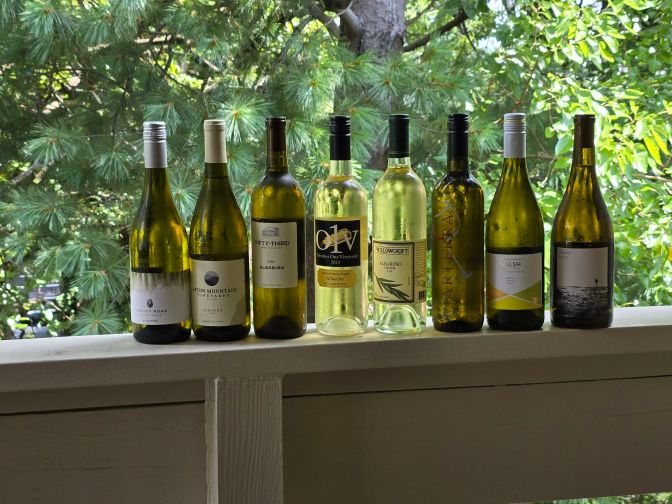
Virginia Albarino Producers Making Incredible Wine Today
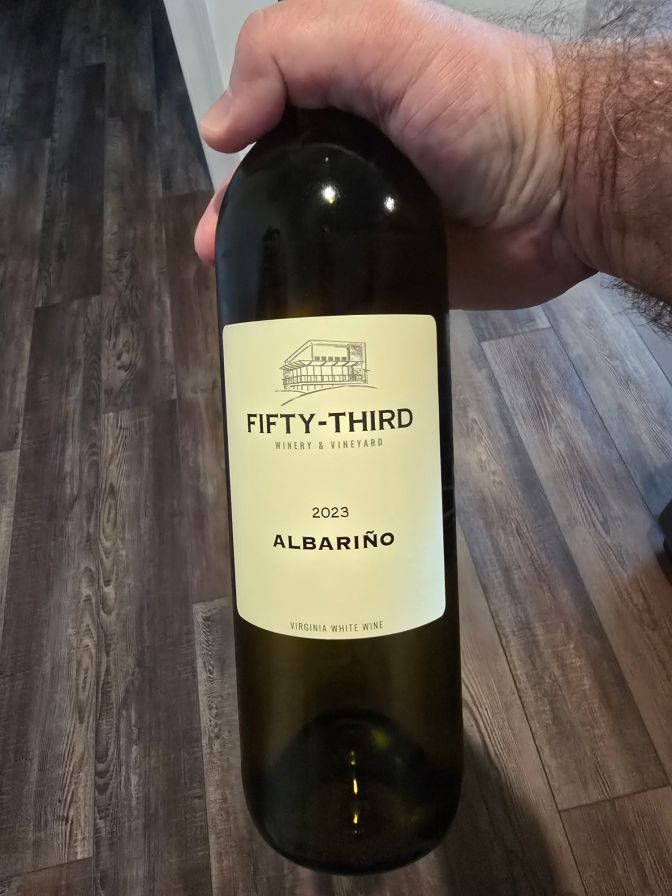
53rd – They just did their oysters and Albariño event last weekend, and I missed it. But this vineyard site seems to be producing incredibly consistent, high quality Albariño (darned freeze in April took it from me this year). I enjoy theirs as a good evening sip, and recently shared one with a couple we have dinner with regularly.
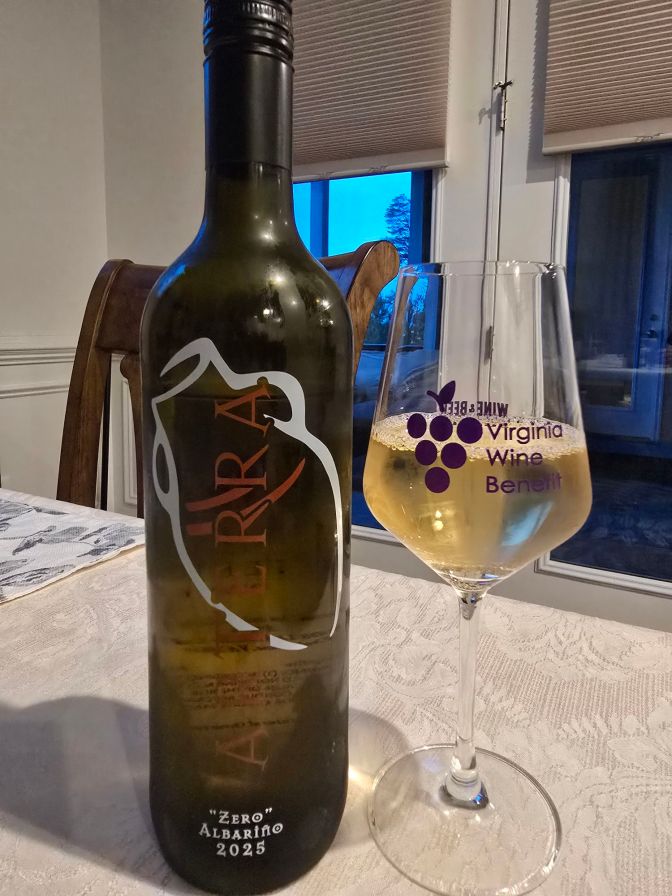
Arterra – Jason Murray’s Albariño is an annual go-to for me. For the 2025 vintage, he utilized strictly organic practices and bottled it as “Zero Albariño”—meaning absolutely no sulfites were used in the process. While his Albariño has always been crisp, clean, and gorgeous, this vintage feels exceptionally pure, boasting brilliant clarity in the glass and stunning acidity.
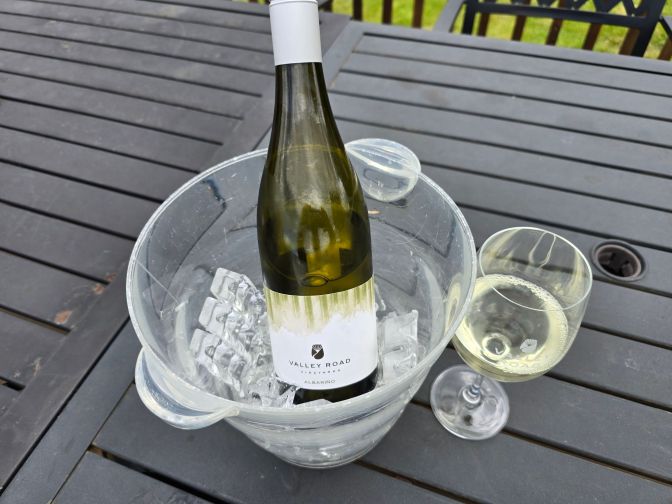
Valley Road – This wine features an exciting, elusive hint of sweetness despite having little to no residual sugar. The pristine acidity carries the day here. While I typically avoid residual sugar in my whites, I can easily drink this one all summer long. The acidity is absolute perfection and incredibly refreshing in the middle of a hot, humid Virginia summer.
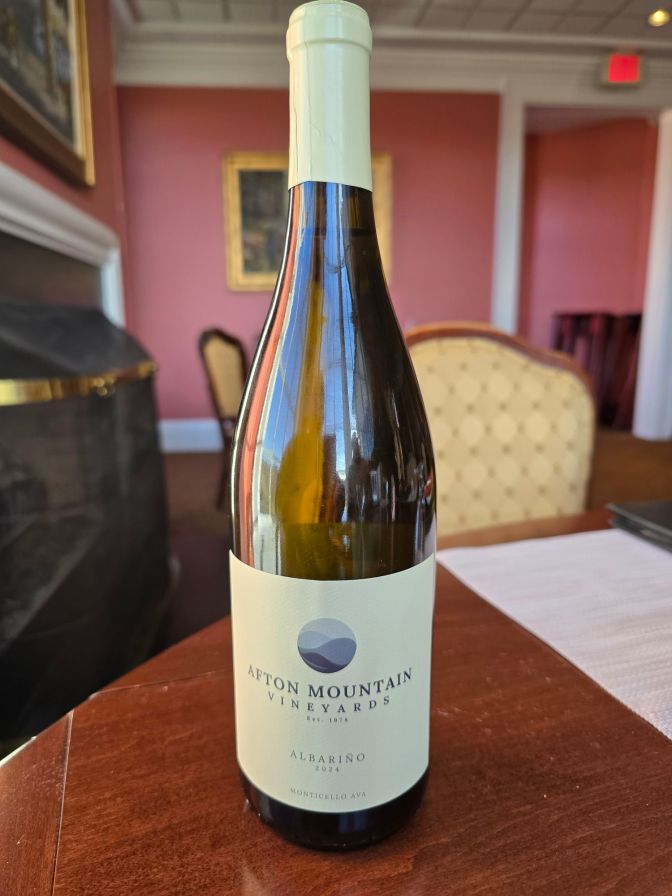
Afton Mountain Vineyards – A gold medal winner this year, Afton’s Albariño has been a favorite among my friends for years, and I’ve firmly joined the fan club. I noticed a bit more tart green apple on this bottling rather than the typical tropical and floral notes, which brought a wonderfully pleasant, zesty feel to the palate. Get some and keep it on hand for summer.
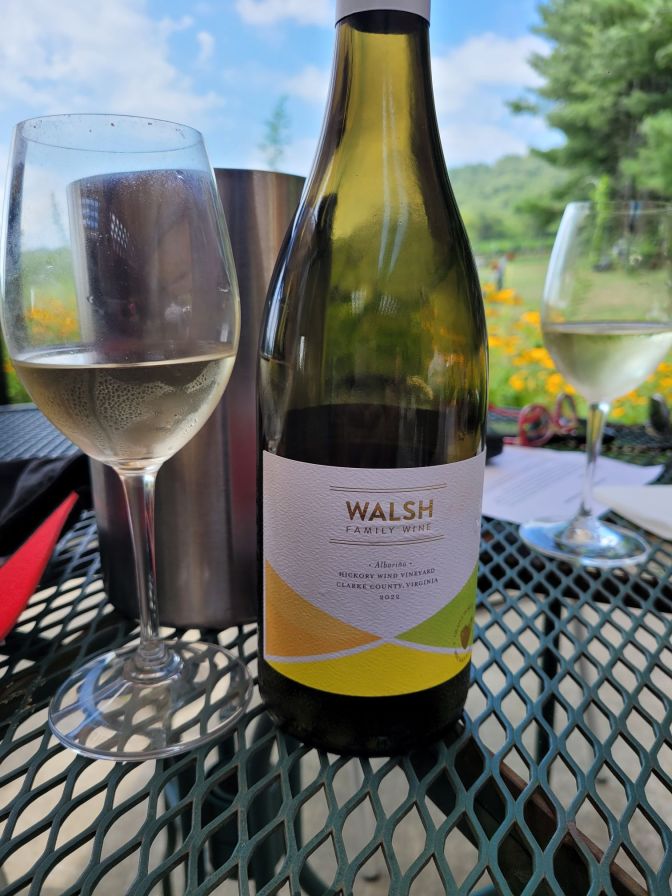
Walsh – Every vintage Walsh offers a small production of Albariño that sometimes just goes to the club. Theirs was one of my first in Virginia, and may be the source of my fondness for this grape here.
Delve – one of my favorite 2024 surprises was finding Julie Linker and Colombe Vineyards, and her 2023 100% Albariño (not currently available, sadly) was one heck of a treat. This was from Beacon Tree Vineyards, not her property, although she’s been growing it well there too. The 2025 estate wine is out (blended with 20% Roussanne) and I need to go grab some asap.
Virginia Albariño in Blends
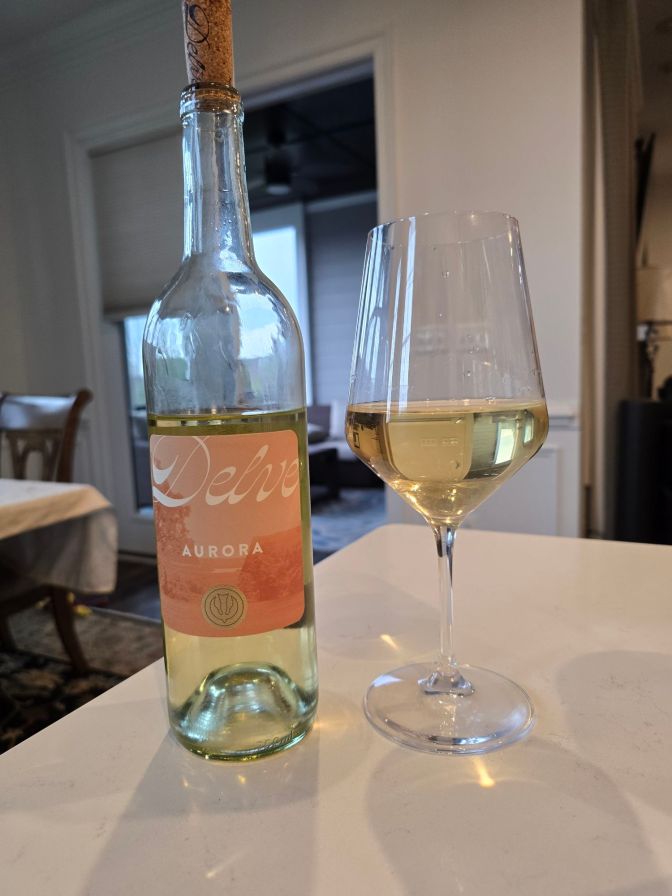
Delve Aurora – Now we’re talking. This white blend is 80% Roussanne and 20% Albariño. That small splash of Albariño injects a mind-blowing level of vibrant acidity into the creamy and complex Roussanne. This bottle is selling out fast, and when I spoke with Julie, she mentioned she wasn’t sure if she would recreate this blend in future vintages. Once you taste it, you’ll help me convince her otherwise. Fingers crossed!
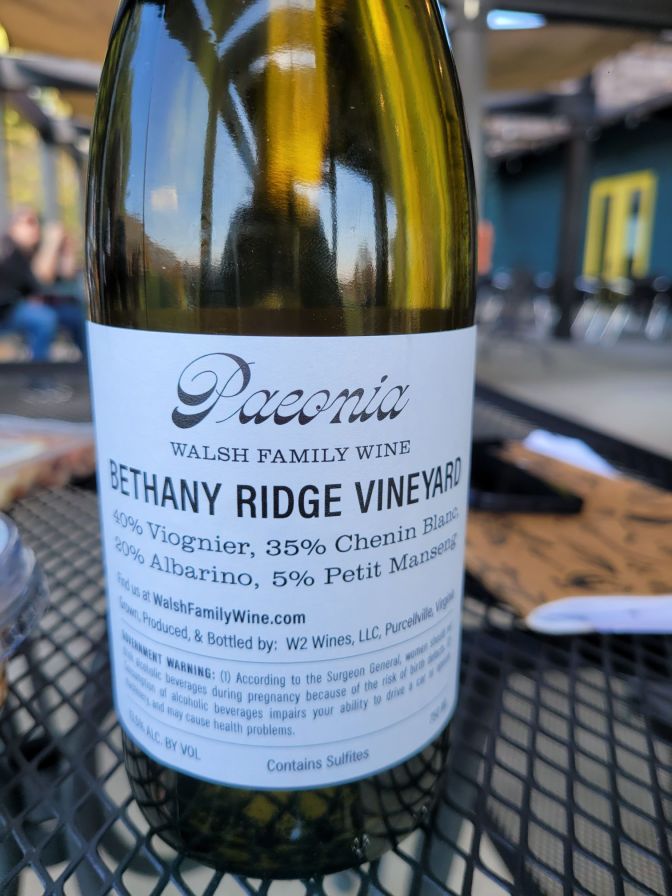
Walsh Paeonia White – I really enjoy this white blend, one of those exciting and complex white wines – tons of acid from Chenin and Albariño, and with three other grapes added, a harmony is achieved – I find I can drink this wine year round – refreshing in the summer, but contemplative by the fire in the winter.
Acidity is of my North Stars in Virginia Wine, and Albariño shows up with unbridled joy in these blends. If you haven’t had either of these, I’d recommend you get to a place that offers them sooner rather than later.
Why Is Virginia Albariño a Go-To for Me?
For me, it boils down to a simple equation: Minerality + Acidity = Bliss.
That hint of sweet or even some real RS on a hot summer night on the deck. Pairing with oysters, or with crostini, or with friends. This versatile, fun wine refreshes, puts the good vibes out there, and goes well with everything.
A Few Final Words About Virginia Albariño
In the end, this is a grape that is just getting started in Virginia. More producers are talking about planting it, it’s recently shown up a few times in the Governor’s case and with a lot of gold medals, and everyone is talking about it. While we will have challenges with its earlier budbreak in these weird springs we are having, (we will likely not see much in the 2026 vintage), plantings that are well sited will see it come through and produce regularly.
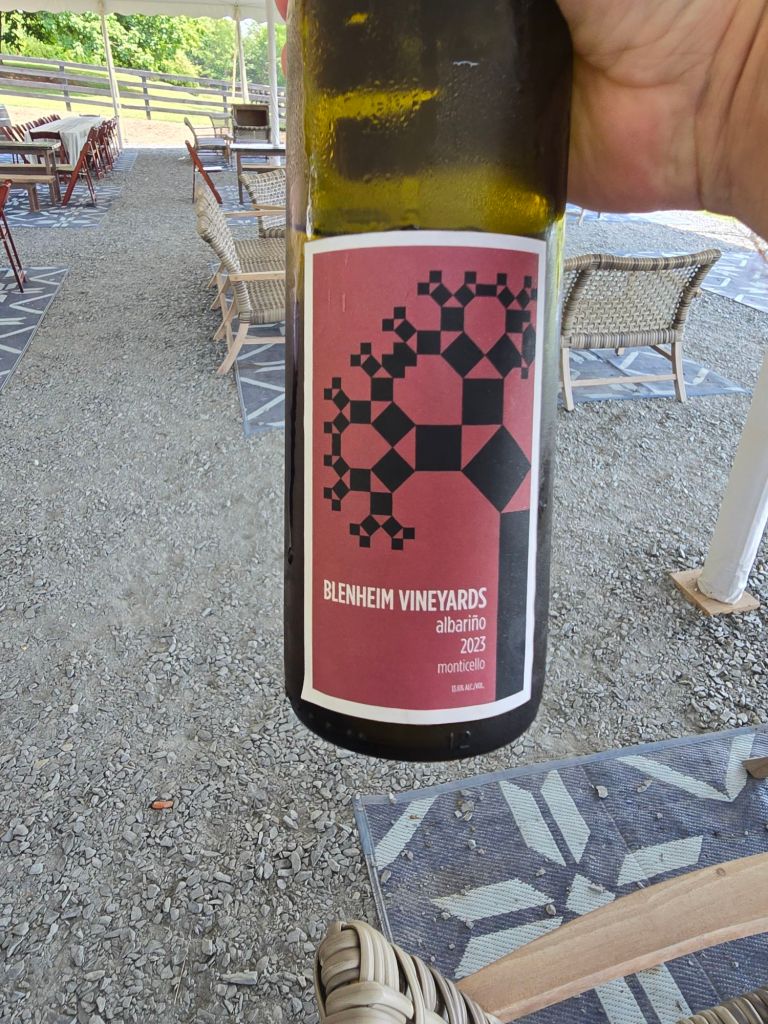
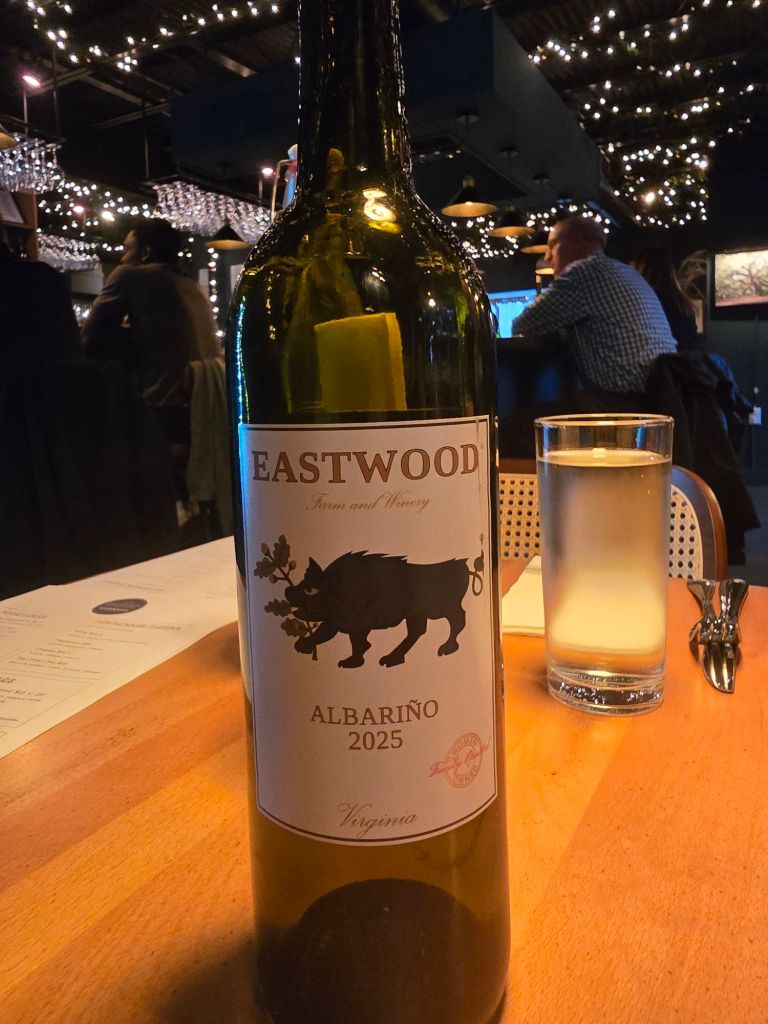
I suspect our love affair with Virginia Albariño has only just begun.
Is Virginia Albariño a go-to for you? Which ones have you been loving?


One thought on “Cellar Reflections: Virginia Albariño”